Weight, corrosion, repairability and what happens to each material after ten years in the sun.
We have built aluminium canopies in Johannesburg for more than a decade and export to eleven countries. The material choice is not a preference. It comes down to four things: weight, corrosion, repairability and what happens after ten years in the sun.
Weight
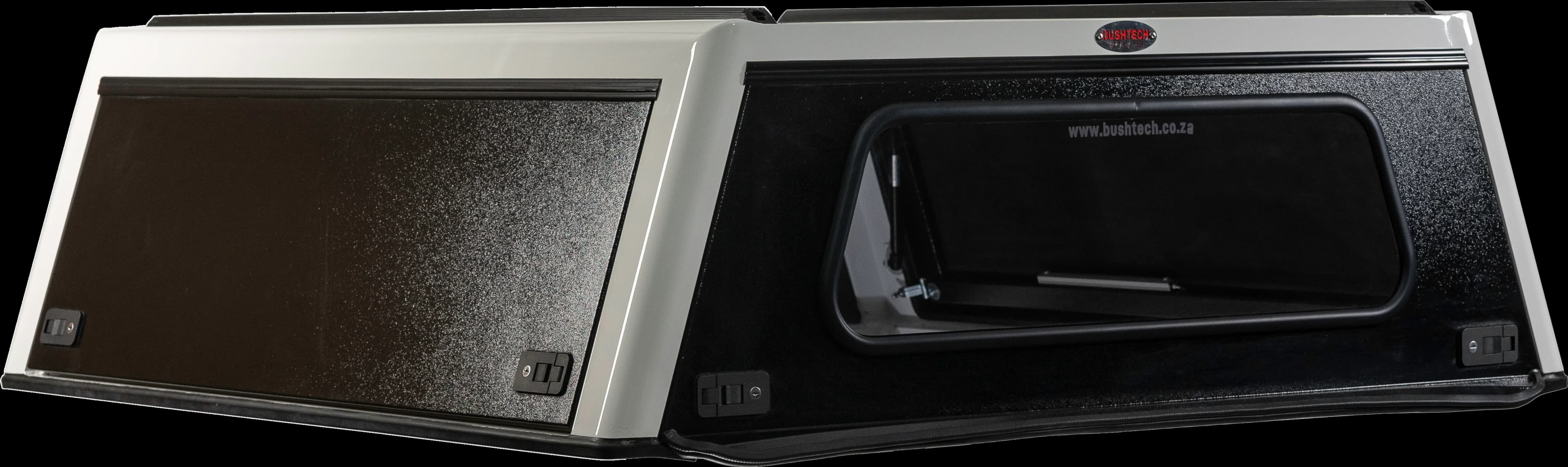
Our double cab canopy weighs 65 kg. A steel structure of the same size and strength weighs considerably more, and every kilogram of it comes off your payload. On a ute where payload is already tight once you have added a bull bar, a second battery and a long range tank, that is the whole argument on its own.
Corrosion
Steel rusts from the inside of a seam where you cannot see it or treat it. Aluminium forms an oxide layer that protects the metal underneath. On a vehicle that spends time on gravel, in dust and near the coast, that difference shows up in year five, not year one.
Repairability
Aluminium can be welded. If a panel is damaged on a trip it can be cut out and replaced, and the frame can be repaired rather than written off. A composite panel that delaminates or cracks through generally cannot, which means replacing the section or the whole unit.
Ten years in the sun
Powder coated aluminium holds its finish under UV. That is part of why we back the frame for five years, transferable to the next owner, and why we include an annual service for five years. A structure you expect to repair rather than replace has to be made of something you can repair.
What aluminium is not good at
It dents more easily than steel and it costs more per kilogram. We would rather carry those two disadvantages than the weight and the rust.